


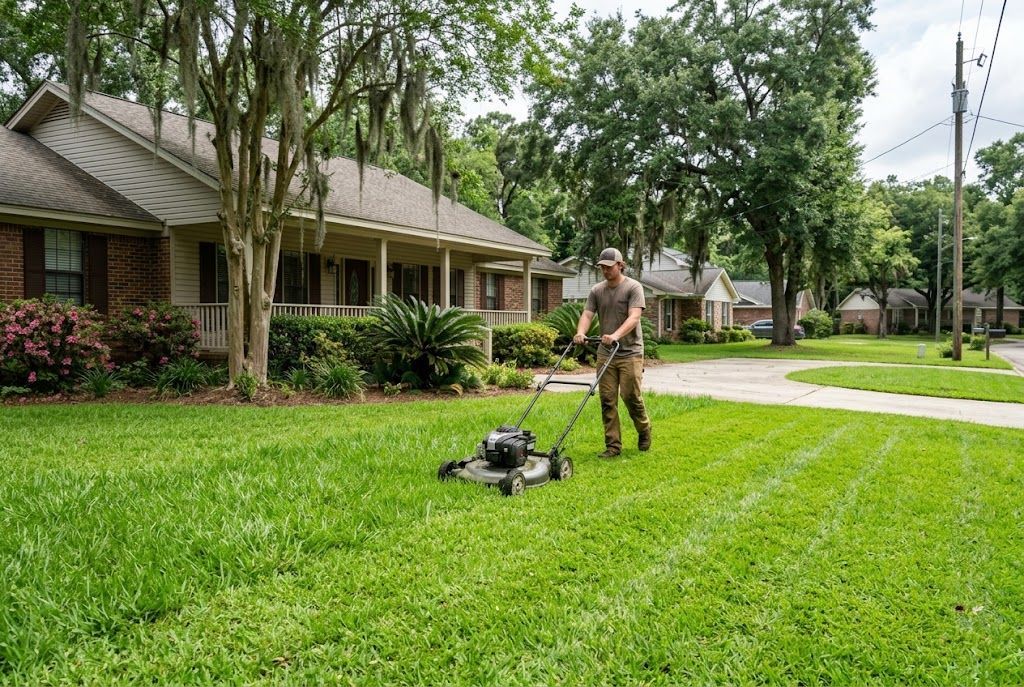
The Ultimate Lawn Care Calendar for Mobile, AL Homeowners


September 11, 2025

Maintaining a healthy lawn in Mobile, Alabama, isn’t just about mowing and watering. With our region’s warm, humid climate and long growing season, lawns require year-round attention tailored to seasonal conditions. Whether you’re a DIY enthusiast or working with professionals like Bush Pro Lawn Care, this comprehensive month-by-month calendar will guide you through exactly what your lawn needs—and when.


January – Winter Monitoring & Planning

While your lawn’s growth slows in January, this is a great time to assess its health and plan your maintenance for the year.

To-do:

  • Inspect for winter weeds and spot-treat if necessary.
  • Prune dormant trees and shrubs.
  • Clean tools and prep equipment for spring.
  • Schedule spring cleanup with a lawn care professional.
  • Apply lime if a soil test shows low pH levels.

Pro Tip: Winter is the best time to trim many ornamental trees and shrubs without stressing the plant.

Local Note: Mobile's mild winters mean winter weeds like annual bluegrass or chickweed may still grow. Stay ahead of them early.


February – Pre-Spring Prep

As temps begin to rise, it’s time to get ahead of weed growth and soil compaction.

To-do:

  • Apply pre-emergent weed control.
  • Aerate compacted soil if needed.
  • Continue pruning shrubs and hedges.
  • Mulch flower beds to protect from temperature swings.
  • Begin planning your spring planting and seeding strategy.

Pro Tip: Early-season weed prevention reduces time and cost later in the year.

Local Note: Mobile’s February can be deceptive—warmer days often trigger early weed growth. Don’t skip that pre-emergent.


March – Spring Cleanup & First Mow

This is when things start to green up in Mobile! March is one of the most important months for lawn health.

To-do:

  • Clear leaves, twigs, and winter debris.
  • Schedule or perform your first mow.
  • Rake and dethatch problem areas.
  • Begin fertilizing warm-season grasses (Bermuda, Zoysia, etc.).
  • Trim shrubs and edge beds.
  • Conduct a soil test to guide nutrient applications.

Pro Tip: Don’t cut more than 1/3 of the grass blade in a single mow.

Expert Insight: This is a great time to plant new turf or reseed if your lawn has patchy or thin areas.


April – Growing Season Begins

Warm-season grasses begin to thrive, and your lawn starts growing more rapidly.

To-do:

  • Establish a regular mowing schedule (usually weekly).
  • Water early in the day (aim for 1 inch per week).
  • Continue fertilizing based on soil needs.
  • Apply post-emergent weed control if needed.
  • Check irrigation systems for leaks or coverage issues.

Pro Tip: Overwatering leads to shallow roots and promotes fungal growth. Water deeply but infrequently.

Local Tip: Humid spring mornings in Mobile increase fungal disease risks—watch for dollar spot and brown patch.


 May – Mulching, Pruning & Pest Prevention

Now that everything is growing, it’s time to clean up, protect, and shape your landscape.

To-do:

  • Refresh mulch in all landscape beds.
  • Prune flowering shrubs after blooming.
  • Look out for chinch bugs and grubs.
  • Inspect for fungal growth.
  • Apply slow-release fertilizer if lawn needs a boost.

Pro Tip: A fresh mulch layer helps retain moisture and smothers weed seeds.

Extra Insight: Use pine bark or dyed hardwood mulch for a longer-lasting effect in Mobile’s wet spring climate.


 June – Heat & Drought Defense

Mobile summers are hot and humid. Your lawn will need extra hydration and stress reduction.

To-do:

  • Raise mower blade to reduce stress on grass.
  • Water deeply 2–3 times per week.
  • Watch for signs of disease (brown patches, thinning).
  • Sharpen mower blades for clean cuts.
  • Avoid fertilizing during peak heat unless using organic or slow-release products.

Pro Tip: Dull blades tear grass and leave it vulnerable to pests and disease.

Bonus Tip: Use a moisture meter to avoid overwatering. Mobile’s soil can stay damp longer than it appears.


 July – Monitor, Maintain & Adjust

Mid-summer is about staying consistent while adapting to heat and humidity.

To-do:

  • Continue deep watering.
  • Apply mid-season fertilizer only if necessary.
  • Watch for thatch buildup.
  • Avoid heavy pruning or aerating in peak heat.
  • Check for ant mounds and other pests.

Pro Tip: Mid-July is a good time to contact Bush Pro Lawn Care for a professional check-in.

Local Threat: Southern chinch bugs thrive in heat—inspect for yellow patches or thinning near sidewalks and driveways.


 August – Late Summer Recovery

By August, lawns may be showing signs of stress. Focus on damage control and prepping for fall.

To-do:

  • Apply grub control if needed.
  • Spot-seed thin patches.
  • Prep for late-season fertilization.
  • Lightly prune overgrowth.
  • Begin early fall planning.

Pro Tip: Keep mower height high to encourage deeper root systems.

Expert Insight: Now is a good time to plan aeration, overseeding, or sod installation for fall.


 September – Early Fall Care

This is the second most important lawn care season after spring.

To-do:

  • Apply fall fertilizer (high potassium).
  • Begin overseeding if needed.
  • Dethatch if buildup is significant.
  • Remove early leaf fall and debris.
  • Repair any areas damaged by summer heat.

Pro Tip: Early fall fertilization improves winter resistance and boosts spring green-up.

Local Tip: Mobile’s late heat waves can extend into September—adjust watering accordingly.


 October – Leaf Removal & Final Treatments

Fall is in full swing. It’s all about cleanup and prepping your lawn for dormancy.

To-do:

  • Rake or mulch fallen leaves.
  • Apply pre-emergent to control winter weeds.
  • Final trim and bed edging.
  • Winterize irrigation if applicable.
  • Clean and store summer tools.

Pro Tip: Leaves left to rot can suffocate your lawn and invite disease.

Extra Note: October is the best month to install new shrubs and ornamental trees in Mobile.


 November – Final Cleanups

Your lawn is starting to go dormant, but some maintenance is still needed.

To-do:

  • Final mow of the season (lower height).
  • Prune dormant trees/shrubs.
  • Remove debris and mulch lightly.
  • Clean and store tools and hoses.
  • Apply winter fertilizer if not done in October.

Pro Tip: Avoid pruning spring-blooming shrubs now—wait until after they bloom.

Bonus Task: Apply a light top-dressing of compost to add organic nutrients over the winter.


 December – Rest & Reset

December is a great time to evaluate your year and plan for the next season.

To-do:

  • Schedule spring services with Bush Pro Lawn Care.
  • Review your lawn’s performance this year.
  • Enjoy your low-maintenance month!
  • Clean and sharpen mower blades.
  • Purchase supplies before spring price hikes.

Pro Tip: Book early for spring cleanups—slots fill quickly in Mobile.


Final Thoughts

A year-round lawn care plan keeps your property looking great and helps prevent expensive problems down the line. Whether you handle lawn care yourself or rely on trusted professionals, staying proactive is the key.

From weed control and mulching to seasonal cleanups and trimming, Bush Pro Lawn Care is here to help Mobile homeowners take pride in their outdoor spaces—every month of the year.

Need help managing your seasonal schedule? Contact Bush Pro Lawn Care at (251) 318-8419 or lonnie@bushprolawncare.com for expert, year-round service in Mobile, AL.


Bush Pro Lawn Care – Mobile’s Trusted Partner for Every Season of Lawn Care


Ready for a Better-Looking Lawn?

Have questions or need professional lawn care? Bush Pro Lawn Care is here to help.

Contact us today for a free quote.

Recent Posts

October 6, 2026
For many lawns in Mobile, AL, weekly mowing is a practical starting point during periods of active growth, while less frequent mowing may be appropriate when grass growth slows. The right schedule depends on rainfall, temperature, grass growth, property conditions, and the height of the lawn—not simply the calendar. Mobile’s warm, humid Gulf Coast climate can support a long growing season, which means homeowners often need more consistent mowing than they might expect. Instead of waiting until the lawn looks overgrown, establish a routine that keeps growth manageable while avoiding cutting too much grass at once. Why Mowing Frequency Matters Mowing is one of the most visible parts of lawn maintenance, but appearance is only part of the reason consistency matters. Waiting too long between cuts can leave a lawn looking uneven and make the next mowing more difficult. On the other hand, mowing unnecessarily when the grass has barely grown adds work without providing much benefit. A good mowing schedule helps you: Maintain a cleaner, more uniform appearance Avoid excessive grass removal in a single mowing Keep edges and borders looking maintained Prevent the yard from appearing neglected Make routine lawn maintenance more manageable Maintain consistent curb appeal For homeowners searching for “how often should I mow my lawn in Mobile, AL?”, the best answer is to follow the lawn’s growth while using a regular schedule as your baseline. Is Weekly Mowing Best in Mobile, AL? During periods of strong growth, weekly mowing is often a useful maintenance rhythm for Mobile lawns. Warm temperatures combined with frequent rainfall can produce noticeable growth between visits. A lawn that looked neat last weekend may already appear shaggy by the following weekend. Weekly mowing can be particularly useful when: Grass is actively growing Rainfall has been frequent The property receives plenty of sunlight Curb appeal is a priority The lawn is highly visible You want to avoid removing excessive growth at once However, “weekly” should not be treated as an inflexible rule. If conditions become dry or grass growth slows significantly, the lawn may not need mowing simply because seven days have passed. The goal should be consistent maintenance based on actual growth. What Is the One-Third Rule for Mowing? One of the most useful mowing guidelines is the one-third rule: avoid removing more than approximately one-third of the grass blade during a single mowing whenever practical. For example, if your desired lawn height is about 3 inches, you generally would not want to let the grass grow dramatically taller before cutting it back all at once. Why? Removing too much growth in one mowing can place unnecessary stress on the grass and leave behind excessive clippings. This is one reason routine mowing can be better than waiting until the yard becomes obviously overgrown. A predictable schedule keeps the amount removed during each cut more manageable. How Does Mobile’s Climate Affect Mowing Frequency? Mobile’s climate plays a major role in lawn growth. The region experiences warm temperatures, high humidity, and substantial rainfall. Those conditions can create a long period during which lawns and landscape vegetation require regular attention. NOAA climate resources document the warm, humid conditions characteristic of the Gulf Coast and provide historical climate information for Alabama. External resource: [ NOAA National Centers for Environmental Information ] For homeowners, the practical takeaway is simple: your mowing schedule needs to adapt throughout the year. You may mow frequently during one part of the season and much less often during another. How Often Should You Mow in Spring? Spring is when many Mobile lawns begin requiring more attention. As temperatures rise and growth becomes more active, homeowners should start watching the lawn rather than waiting for a specific calendar date. During periods of active spring growth, mowing may need to become more frequent. Spring is also a good time to evaluate the rest of the property. Look for: Overgrown lawn edges Weeds in landscape beds Shrubs that need trimming Debris left from cooler months Mulch that needs refreshing Areas that have become difficult to maintain A seasonal cleanup followed by consistent maintenance can help bring the entire yard back into shape. How Often Should You Mow During Summer? Summer mowing frequency depends heavily on rainfall and growth. Mobile summers can bring heat, humidity, and periods of frequent rain. When the lawn is actively growing, maintaining a regular mowing schedule helps prevent it from getting ahead of you. However, homeowners should avoid treating mowing like a rigid appointment that ignores lawn conditions. If grass growth has slowed during a dry period, mowing too frequently or too aggressively may be unnecessary. During summer, focus on: Actual grass height Recent rainfall Current growth rate Lawn appearance Weather conditions How much grass would be removed The faster the lawn is growing, the more important consistency becomes. Does Heavy Rain Mean You Should Mow More Often? Rain can accelerate grass growth, but that does not mean you should mow while the lawn is saturated. After periods of substantial rainfall, the grass may grow quickly enough that your normal mowing interval needs adjustment. At the same time, mowing very wet ground can create poor results and may disturb soft areas. After rain, consider both growth and ground conditions. A lawn may need mowing, but waiting until conditions are suitable can produce a cleaner result. This is another reason professional lawn maintenance can be useful. Instead of simply mowing on demand, an experienced local provider works around changing conditions while maintaining the property as consistently as practical. What Happens If You Wait Too Long Between Mowings? Missing an occasional mowing isn't necessarily a disaster, but repeatedly allowing a lawn to become overgrown creates several problems. The property looks neglected Tall, uneven grass can quickly reduce curb appeal. The next mowing becomes harder More growth means more material needs to be cut and managed. Edges become less defined Sidewalks, driveways, and borders can start looking untidy as the entire property gets ahead of its normal maintenance routine. You may be tempted to cut too much at once When grass becomes very tall, homeowners often want to immediately return it to their preferred height. A more gradual approach may be appropriate when substantial growth has accumulated. Consistent maintenance prevents many of these issues before they develop. Should You Mow Every Week or Every Two Weeks? The answer depends on growth, but Mobile homeowners should be cautious about assuming biweekly mowing will work throughout the entire growing season.  Consider the difference:
Commercial lawn care Mobile AL
September 21, 2026
Need commercial lawn care in Mobile, AL? Learn what property managers should expect from reliable, professional lawn maintenance.
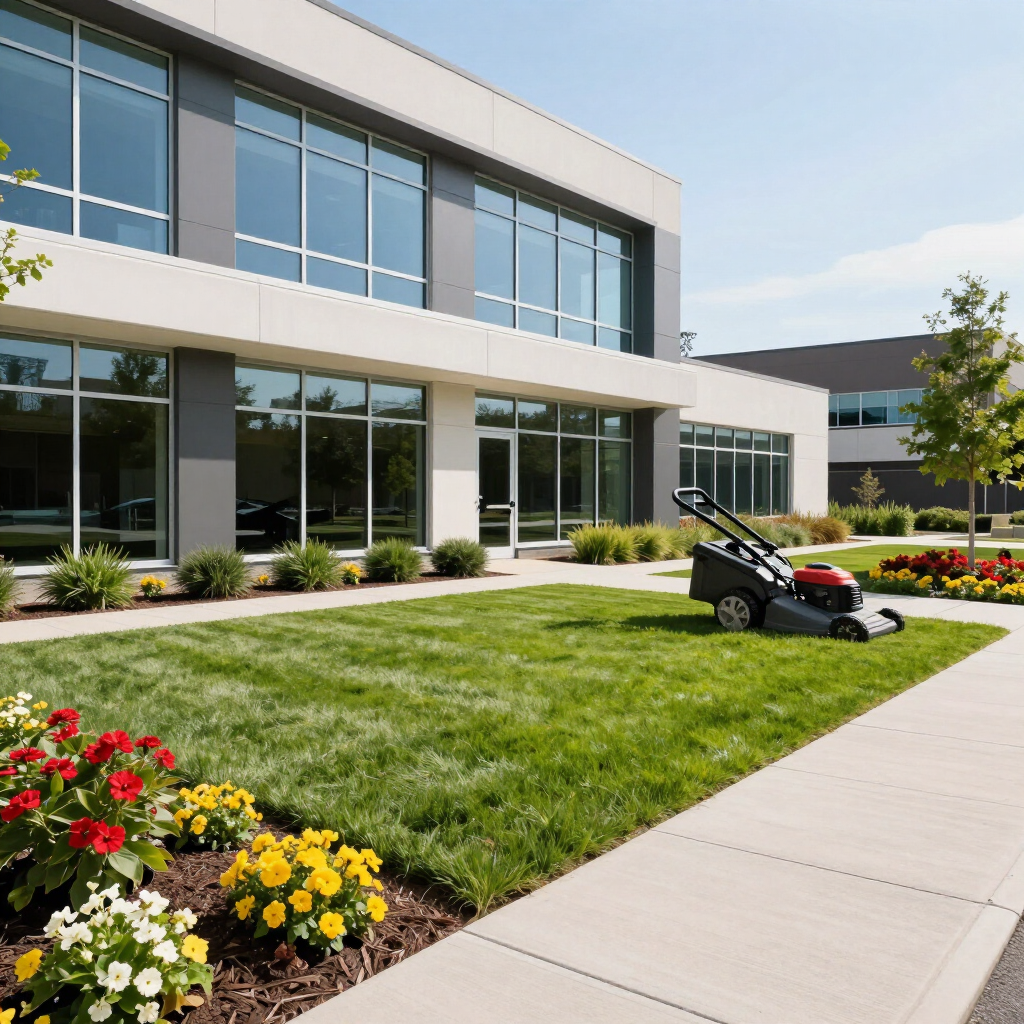
Modern office building with large windows, landscaped lawn, and a red lawn mower on the grass.
September 1, 2026
Discover why businesses in Mobile, AL outsource lawn maintenance for reliability, curb appeal, and cost control.