

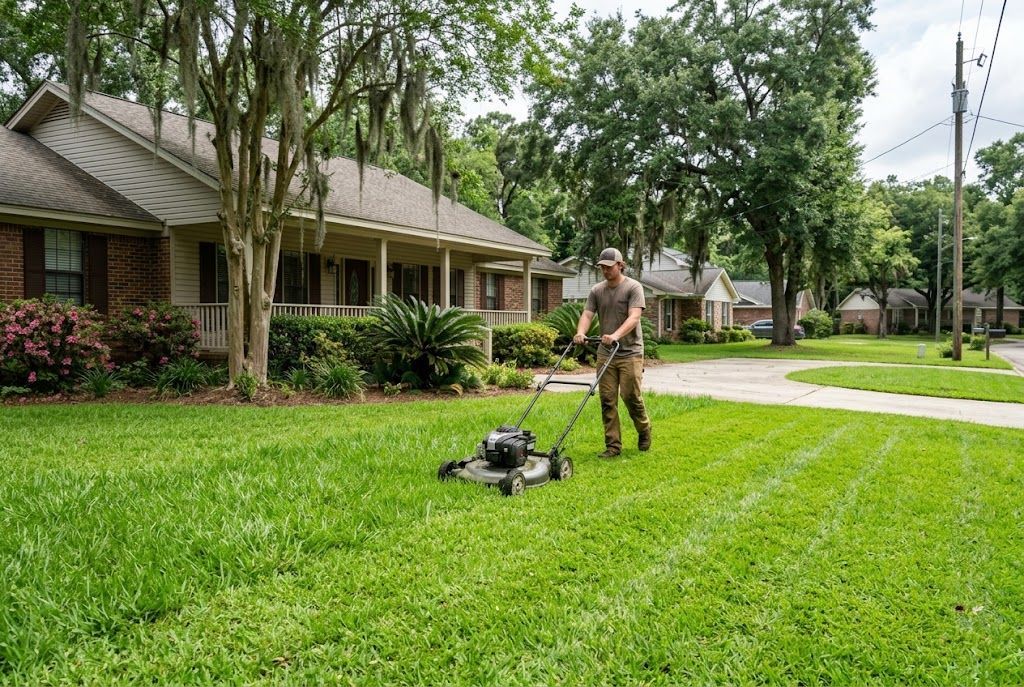
For many lawns in Mobile, AL, weekly mowing is a practical starting point during periods of active growth, while less frequent mowing may be appropriate when grass growth slows. The right schedule depends on rainfall, temperature, grass growth, property conditions, and the height of the lawn—not simply the calendar. Mobile’s warm, humid Gulf Coast climate can support a long growing season, which means homeowners often need more consistent mowing than they might expect. Instead of waiting until the lawn looks overgrown, establish a routine that keeps growth manageable while avoiding cutting too much grass at once. Why Mowing Frequency Matters Mowing is one of the most visible parts of lawn maintenance, but appearance is only part of the reason consistency matters. Waiting too long between cuts can leave a lawn looking uneven and make the next mowing more difficult. On the other hand, mowing unnecessarily when the grass has barely grown adds work without providing much benefit. A good mowing schedule helps you: Maintain a cleaner, more uniform appearance Avoid excessive grass removal in a single mowing Keep edges and borders looking maintained Prevent the yard from appearing neglected Make routine lawn maintenance more manageable Maintain consistent curb appeal For homeowners searching for “how often should I mow my lawn in Mobile, AL?”, the best answer is to follow the lawn’s growth while using a regular schedule as your baseline. Is Weekly Mowing Best in Mobile, AL? During periods of strong growth, weekly mowing is often a useful maintenance rhythm for Mobile lawns. Warm temperatures combined with frequent rainfall can produce noticeable growth between visits. A lawn that looked neat last weekend may already appear shaggy by the following weekend. Weekly mowing can be particularly useful when: Grass is actively growing Rainfall has been frequent The property receives plenty of sunlight Curb appeal is a priority The lawn is highly visible You want to avoid removing excessive growth at once However, “weekly” should not be treated as an inflexible rule. If conditions become dry or grass growth slows significantly, the lawn may not need mowing simply because seven days have passed. The goal should be consistent maintenance based on actual growth. What Is the One-Third Rule for Mowing? One of the most useful mowing guidelines is the one-third rule: avoid removing more than approximately one-third of the grass blade during a single mowing whenever practical. For example, if your desired lawn height is about 3 inches, you generally would not want to let the grass grow dramatically taller before cutting it back all at once. Why? Removing too much growth in one mowing can place unnecessary stress on the grass and leave behind excessive clippings. This is one reason routine mowing can be better than waiting until the yard becomes obviously overgrown. A predictable schedule keeps the amount removed during each cut more manageable. How Does Mobile’s Climate Affect Mowing Frequency? Mobile’s climate plays a major role in lawn growth. The region experiences warm temperatures, high humidity, and substantial rainfall. Those conditions can create a long period during which lawns and landscape vegetation require regular attention. NOAA climate resources document the warm, humid conditions characteristic of the Gulf Coast and provide historical climate information for Alabama. External resource: [ NOAA National Centers for Environmental Information ] For homeowners, the practical takeaway is simple: your mowing schedule needs to adapt throughout the year. You may mow frequently during one part of the season and much less often during another. How Often Should You Mow in Spring? Spring is when many Mobile lawns begin requiring more attention. As temperatures rise and growth becomes more active, homeowners should start watching the lawn rather than waiting for a specific calendar date. During periods of active spring growth, mowing may need to become more frequent. Spring is also a good time to evaluate the rest of the property. Look for: Overgrown lawn edges Weeds in landscape beds Shrubs that need trimming Debris left from cooler months Mulch that needs refreshing Areas that have become difficult to maintain A seasonal cleanup followed by consistent maintenance can help bring the entire yard back into shape. How Often Should You Mow During Summer? Summer mowing frequency depends heavily on rainfall and growth. Mobile summers can bring heat, humidity, and periods of frequent rain. When the lawn is actively growing, maintaining a regular mowing schedule helps prevent it from getting ahead of you. However, homeowners should avoid treating mowing like a rigid appointment that ignores lawn conditions. If grass growth has slowed during a dry period, mowing too frequently or too aggressively may be unnecessary. During summer, focus on: Actual grass height Recent rainfall Current growth rate Lawn appearance Weather conditions How much grass would be removed The faster the lawn is growing, the more important consistency becomes. Does Heavy Rain Mean You Should Mow More Often? Rain can accelerate grass growth, but that does not mean you should mow while the lawn is saturated. After periods of substantial rainfall, the grass may grow quickly enough that your normal mowing interval needs adjustment. At the same time, mowing very wet ground can create poor results and may disturb soft areas. After rain, consider both growth and ground conditions. A lawn may need mowing, but waiting until conditions are suitable can produce a cleaner result. This is another reason professional lawn maintenance can be useful. Instead of simply mowing on demand, an experienced local provider works around changing conditions while maintaining the property as consistently as practical. What Happens If You Wait Too Long Between Mowings? Missing an occasional mowing isn't necessarily a disaster, but repeatedly allowing a lawn to become overgrown creates several problems. The property looks neglected Tall, uneven grass can quickly reduce curb appeal. The next mowing becomes harder More growth means more material needs to be cut and managed. Edges become less defined Sidewalks, driveways, and borders can start looking untidy as the entire property gets ahead of its normal maintenance routine. You may be tempted to cut too much at once When grass becomes very tall, homeowners often want to immediately return it to their preferred height. A more gradual approach may be appropriate when substantial growth has accumulated. Consistent maintenance prevents many of these issues before they develop. Should You Mow Every Week or Every Two Weeks? The answer depends on growth, but Mobile homeowners should be cautious about assuming biweekly mowing will work throughout the entire growing season. Consider the difference:

Need commercial lawn care in Mobile, AL? Learn what property managers should expect from reliable, professional lawn maintenance.
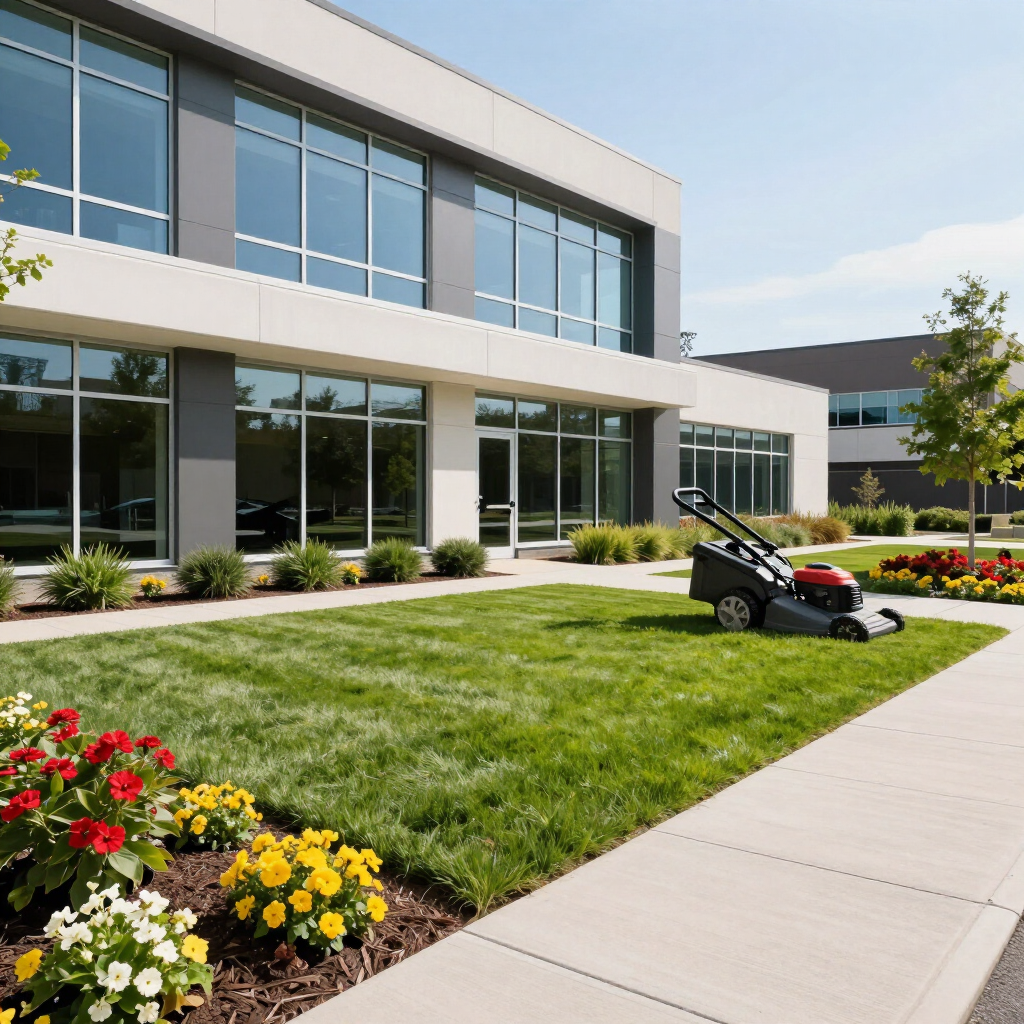
Discover why businesses in Mobile, AL outsource lawn maintenance for reliability, curb appeal, and cost control.

Professional lawn care in Midtown Mobile, AL. Reliable mowing, trimming, mulching, and seasonal cleanup services.

Searching for lawn care near me in Mobile, AL? Learn how to choose a reliable local lawn maintenance company.
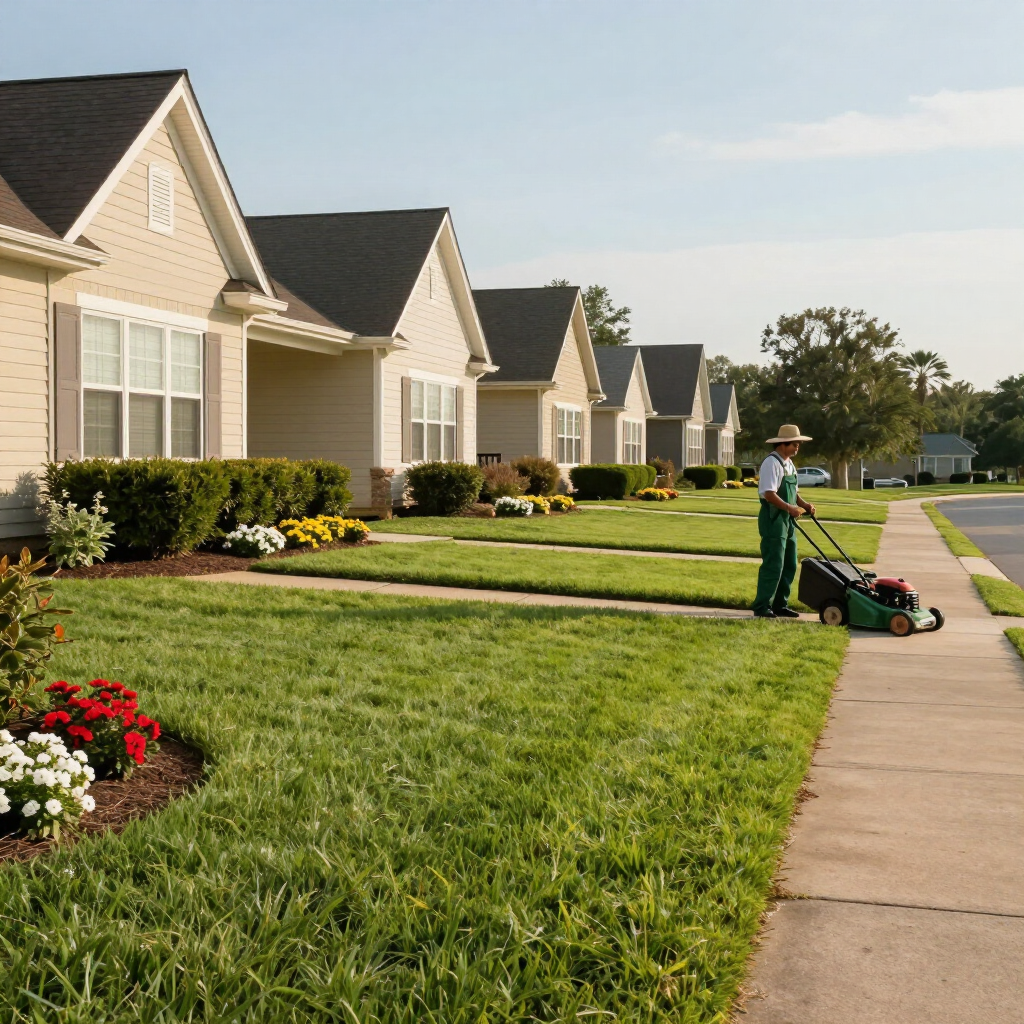
Professional HOA lawn maintenance in Mobile, AL. Keep your community compliant, clean, and consistently maintained.
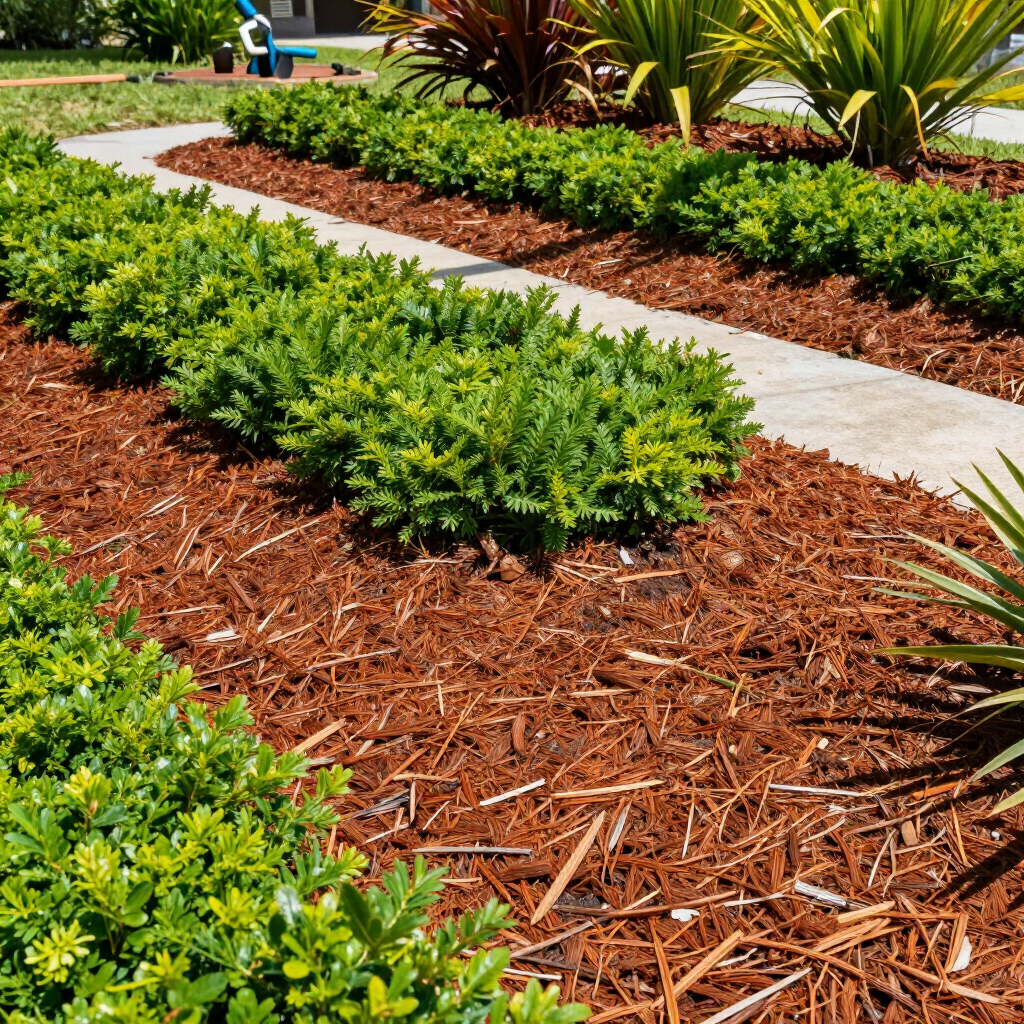
Professional weeding and mulching services in Mobile, AL. Keep flower beds clean, weed-free, and protected year-round.
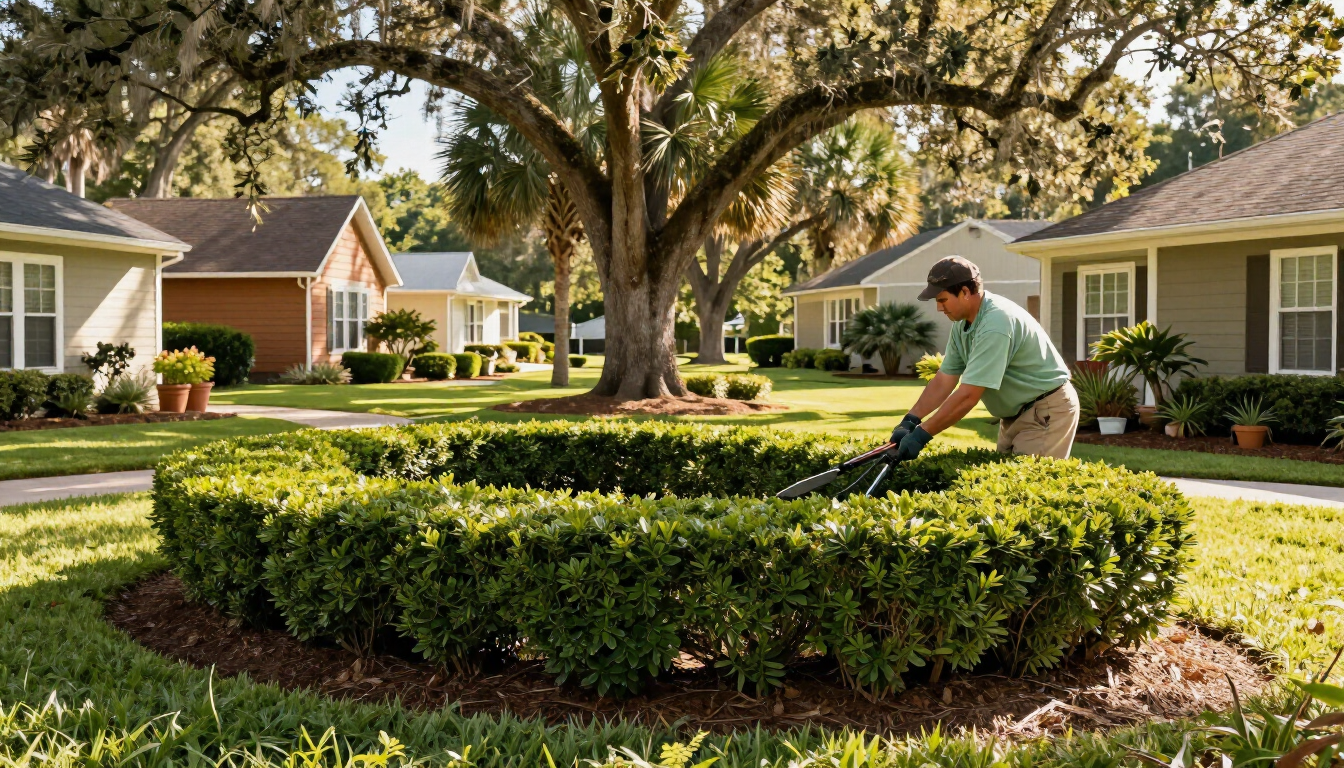
Professional pruning and trimming services in Mobile, AL. Keep shrubs, hedges, and landscapes healthy and well-shaped.
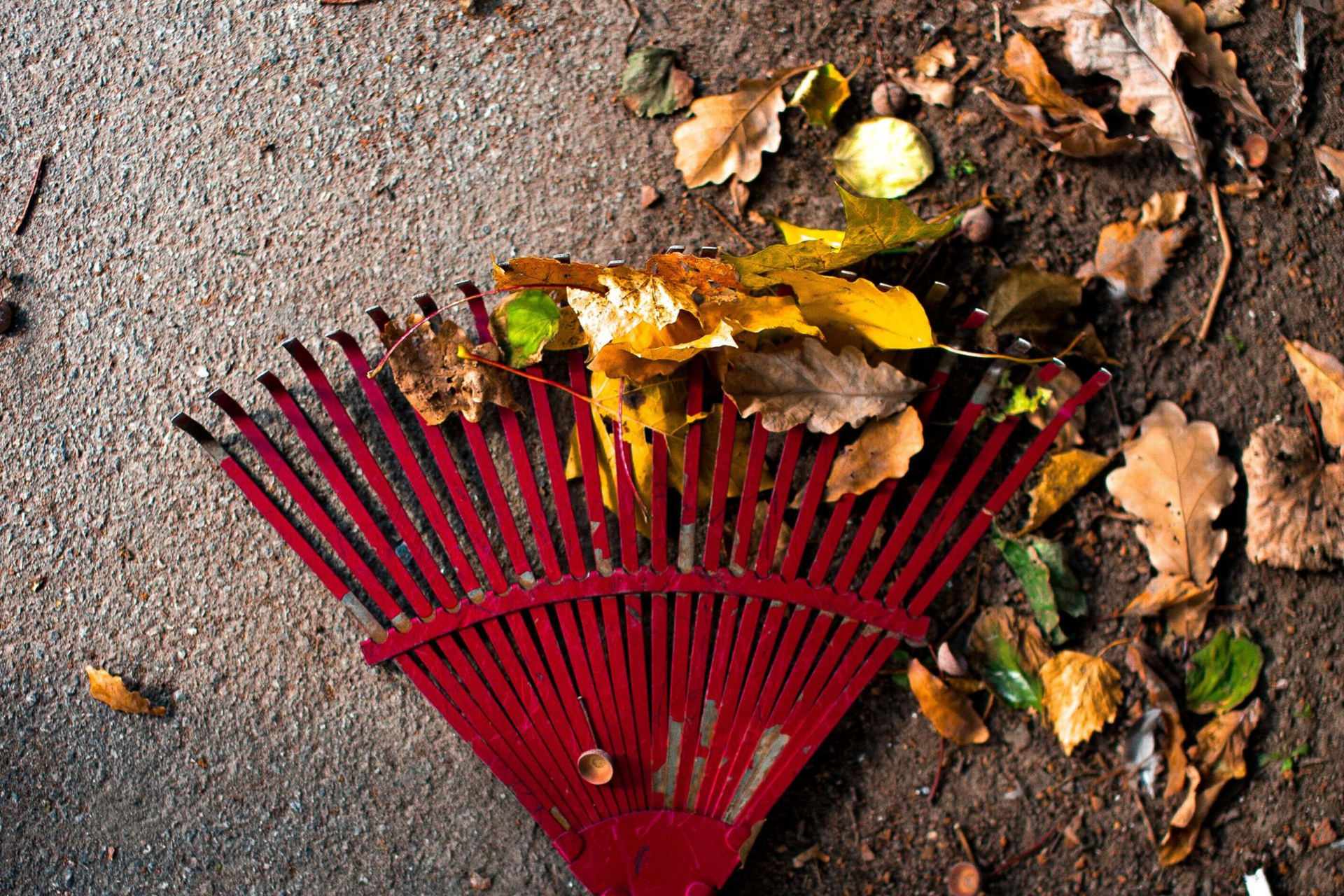
Need seasonal lawn cleanup in Mobile, AL? Learn what’s included, when to schedule, and why it protects your lawn year-round.