

How to Choose the Right Mulch for Your Landscape in Mobile, AL


January 26, 2026

Mulch is one of the most valuable tools in your landscaping toolbox—but choosing the wrong type can lead to runoff, pest issues, or wasted money. In Mobile, AL, where we deal with heavy rainfall, humid summers, and diverse plant types, selecting the right mulch makes a major difference in both appearance and plant health.

At Bush Pro Lawn Care, we install thousands of square feet of mulch every year. This guide will help you understand your mulch options, when to apply them, and how to make the best choice for your specific yard.


Why Mulch Matters in Mobile, AL

Before choosing a type, it’s important to understand why mulch is essential, especially in the Gulf Coast region:

  • Moisture retention in high-evaporation heat
  • Weed suppression without harsh chemicals
  • Soil insulation during cold snaps
  • Erosion control during storms
  • Enhanced curb appeal for beds and tree rings

Proper mulch reduces how often you water, improves plant health, and minimizes garden maintenance. In Mobile's climate—where rainfall can be heavy and unpredictable—mulch plays a critical role in regulating your soil's water retention and minimizing nutrient loss.

Additionally, mulch helps stabilize soil temperatures, especially beneficial for tender plants with shallow root systems. It’s an invisible layer of protection that quietly supports the overall success of your landscape. A well-mulched garden is often more resilient, retains nutrients better, and requires fewer chemical inputs throughout the growing season.


Types of Mulch Available in Mobile, AL

1. Pine Straw Mulch

Pros:

  • Lightweight and easy to install
  • Excellent for acid-loving plants like azaleas and camellias
  • Blends well in wooded or natural landscapes
  • Allows better airflow than denser mulches

Cons:

  • Needs frequent replenishing (every 6–8 months)
  • Can shift or wash away in heavy rain
  • May not suit formal or high-contrast landscape aesthetics

Best for: Sloped beds, natural-style gardens, Southern traditional landscapes, and areas with pine trees (free refills!)

Bush Pro Tip: Pine straw decomposes faster than wood mulch, but that can be a benefit—it adds organic matter back to your soil more quickly. It’s ideal for Mobile’s naturally acidic soil and blends beautifully in cottage-style or woodland garden settings.


2. Shredded Bark Mulch

Pros:

  • Long-lasting and slow to break down
  • Holds color well over time
  • Excellent water retention and weed suppression
  • Available in hardwood or softwood varieties

Cons:

  • May compact over time if not turned
  • Heavier to spread than pine straw
  • Not ideal for highly acidic soil environments

Best for: Foundation beds, tree surrounds, border gardens, and high-traffic areas

Mobile Tip: Hardwood bark mulch is a favorite for Mobile homeowners looking for low-maintenance, attractive beds that stand up to our rainfall patterns. Softwood mulches, like cedar or cypress, offer insect-repellent properties but tend to be pricier.


3. Dyed Mulch (Black, Brown, Red)

Pros:

  • Creates striking visual contrast with greenery
  • Comes in a variety of color options to match house style or themes
  • Often made from recycled wood and readily available

Cons:

  • Some dyes (especially cheaper versions) can leach into soil
  • Fades in full sun after one season
  • Annual replacement may be needed to maintain appearance

Best for: High-visibility beds, commercial landscapes, and modern curb appeal upgrades

Bush Pro Tip: Look for non-toxic, vegetable-based dyes for eco-friendly results, especially near pets or vegetable beds. Black mulch creates a bold look that warms soil quickly, while brown offers a natural aesthetic that works with almost any home style.


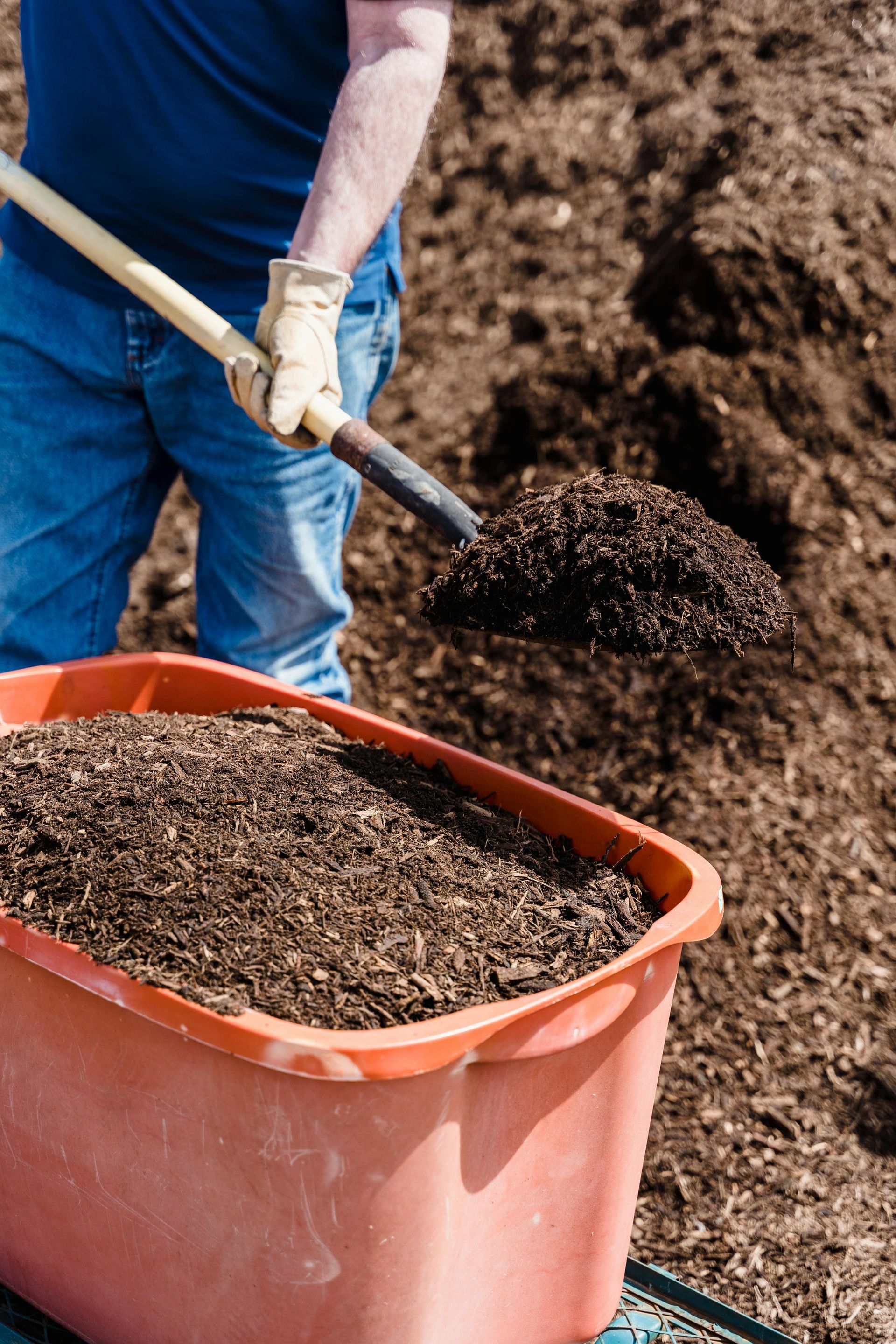
4. Compost or Organic Mulch

Pros:

  • Adds nutrients to the soil as it decomposes
  • Improves soil texture and fertility over time
  • Encourages earthworm activity and microbial health
  • Excellent water absorption properties

Cons:

  • Needs frequent top-ups as it decomposes quickly
  • May attract pests if not properly processed or turned
  • Not decorative on its own—often used beneath other mulch

Best for: Vegetable gardens, raised beds, edible landscapes, and flower beds where plant health is the top priority

Expanded Tip: Combine compost mulch with bark or straw for a two-layer solution that delivers nutrition andappearance. Use well-aged compost to avoid weed seeds or nitrogen draw-down.


5. Gravel or Rock Mulch

Pros:

  • Doesn’t break down—lasts indefinitely
  • Very low maintenance
  • Ideal for improving drainage in problem areas
  • Resistant to wind and water displacement

Cons:

  • Reflects heat and may overheat plant roots in summer
  • Offers no nutrients to soil
  • Difficult to remove if your design changes later
  • Requires weed barrier installation underneath

Best for: Walkways, drainage zones, xeriscapes, minimalist or modern landscapes

Bush Pro Note: Rock mulch can trap heat in Mobile’s hot summer months—use with caution near delicate plants. It’s ideal for commercial properties or desert-style landscaping themes.


Which Mulch Is Best for Mobile, AL Lawns and Gardens?

Mobile’s hot, wet summers and mild winters mean mulch needs to handle both heat and rain. Here’s how to decide:

  • For flower beds: Dyed or bark mulch offers visual contrast and strong weed control.
  • For trees and shrubs: Pine straw supports acidity and airflow.
  • For veggie gardens: Compost adds nutrients and improves yield.
  • For slopes and runoff areas: Shredded bark resists erosion better.
  • For decorative accents: Dyed mulch or gravel offers bold style.

Local Soil Tip: Most soils in Mobile trend acidic—choose mulch that complements your existing pH or plan to adjust as needed. Mulch can help maintain pH stability, but the wrong type may tip the balance.


How Much Mulch Should You Use?

Ideal depth: 2–3 inches for most applications
Too little =
Weeds and poor moisture retention
Too much =
Root suffocation, mold, and pests

Tips for Success:

  • Apply mulch evenly and avoid piling around stems or trunks (a.k.a. mulch volcanoes)
  • Use edging to contain mulch in beds and avoid runoff
  • Replenish mulch annually for appearance and function
  • Rake or turn mulch mid-season to prevent compaction

Bonus: A consistent mulch layer improves property appearance and creates visual unity between your landscape features. Plus, it makes maintenance easier by reducing time spent watering, weeding, or fertilizing.


When to Mulch in Mobile

  • Spring: Refresh mulch to control spring weeds and prepare for summer heat
  • Fall: Add mulch to insulate plants before cold snaps and reduce evaporation
  • After heavy storms: Check and redistribute mulch that’s washed out of place

Mobile Rainfall Tip: After large rains, inspect for erosion or standing water in mulched beds. Certain mulch types (like pine bark) shift more than others. Bark or hardwood mulches tend to hold their shape better through the region’s tropical rain events.


Mistakes to Avoid

Avoiding these mulch mistakes will save you money and protect your plants:

  • Too much mulch (over 4") can suffocate roots and breed mold
  • Touching trunks or stems causes rot and pest damage
  • Skipping weed barrier in gravel installations leads to future problems
  • Ignoring pH compatibility between mulch type and soil
  • Failing to turn or refresh mulch annually causes compaction and reduces effectiveness

Also, avoid using colored mulch in edible garden beds unless it's explicitly labeled safe for food production.


Bush Pro’s Professional Mulch Services

At Bush Pro Lawn Care, we offer full-service mulch installation using top-quality materials sourced for Mobile’s climate. Our mulch services include:

  • Free site assessment to choose the right mulch for your yard’s style and needs
  • Bed edging and weed prep before installation
  • Even, clean distribution at proper depth
  • Annual mulch refresh plans available for maintenance
  • Optional soil testing to match mulch with your landscape goals

What sets us apart: We don’t just dump and go. We treat mulch as an integrated part of your landscape health plan.

“Bush Pro did a fantastic job with our flower beds. The mulch looks great and has kept the weeds out all season!” — Verified Customer


Need Help Choosing the Right Mulch?

Let the experts at Bush Pro Lawn Care help you pick the perfect mulch for your garden, trees, or commercial property. With decades of experience and knowledge of what works best in Mobile’s climate, we’ll make sure your landscape looks great and thrives.

Call (251) 318-8419 or email lonnie@bushprolawncare.com to schedule your mulch consultation today.


Bush Pro Lawn Care – Mulching Experts for Mobile, AL Since 1980

Ready for a Better-Looking Lawn?

Have questions or need professional lawn care? Bush Pro Lawn Care is here to help.

Contact us today for a free quote.

Recent Posts

October 6, 2026
For many lawns in Mobile, AL, weekly mowing is a practical starting point during periods of active growth, while less frequent mowing may be appropriate when grass growth slows. The right schedule depends on rainfall, temperature, grass growth, property conditions, and the height of the lawn—not simply the calendar. Mobile’s warm, humid Gulf Coast climate can support a long growing season, which means homeowners often need more consistent mowing than they might expect. Instead of waiting until the lawn looks overgrown, establish a routine that keeps growth manageable while avoiding cutting too much grass at once. Why Mowing Frequency Matters Mowing is one of the most visible parts of lawn maintenance, but appearance is only part of the reason consistency matters. Waiting too long between cuts can leave a lawn looking uneven and make the next mowing more difficult. On the other hand, mowing unnecessarily when the grass has barely grown adds work without providing much benefit. A good mowing schedule helps you: Maintain a cleaner, more uniform appearance Avoid excessive grass removal in a single mowing Keep edges and borders looking maintained Prevent the yard from appearing neglected Make routine lawn maintenance more manageable Maintain consistent curb appeal For homeowners searching for “how often should I mow my lawn in Mobile, AL?”, the best answer is to follow the lawn’s growth while using a regular schedule as your baseline. Is Weekly Mowing Best in Mobile, AL? During periods of strong growth, weekly mowing is often a useful maintenance rhythm for Mobile lawns. Warm temperatures combined with frequent rainfall can produce noticeable growth between visits. A lawn that looked neat last weekend may already appear shaggy by the following weekend. Weekly mowing can be particularly useful when: Grass is actively growing Rainfall has been frequent The property receives plenty of sunlight Curb appeal is a priority The lawn is highly visible You want to avoid removing excessive growth at once However, “weekly” should not be treated as an inflexible rule. If conditions become dry or grass growth slows significantly, the lawn may not need mowing simply because seven days have passed. The goal should be consistent maintenance based on actual growth. What Is the One-Third Rule for Mowing? One of the most useful mowing guidelines is the one-third rule: avoid removing more than approximately one-third of the grass blade during a single mowing whenever practical. For example, if your desired lawn height is about 3 inches, you generally would not want to let the grass grow dramatically taller before cutting it back all at once. Why? Removing too much growth in one mowing can place unnecessary stress on the grass and leave behind excessive clippings. This is one reason routine mowing can be better than waiting until the yard becomes obviously overgrown. A predictable schedule keeps the amount removed during each cut more manageable. How Does Mobile’s Climate Affect Mowing Frequency? Mobile’s climate plays a major role in lawn growth. The region experiences warm temperatures, high humidity, and substantial rainfall. Those conditions can create a long period during which lawns and landscape vegetation require regular attention. NOAA climate resources document the warm, humid conditions characteristic of the Gulf Coast and provide historical climate information for Alabama. External resource: [ NOAA National Centers for Environmental Information ] For homeowners, the practical takeaway is simple: your mowing schedule needs to adapt throughout the year. You may mow frequently during one part of the season and much less often during another. How Often Should You Mow in Spring? Spring is when many Mobile lawns begin requiring more attention. As temperatures rise and growth becomes more active, homeowners should start watching the lawn rather than waiting for a specific calendar date. During periods of active spring growth, mowing may need to become more frequent. Spring is also a good time to evaluate the rest of the property. Look for: Overgrown lawn edges Weeds in landscape beds Shrubs that need trimming Debris left from cooler months Mulch that needs refreshing Areas that have become difficult to maintain A seasonal cleanup followed by consistent maintenance can help bring the entire yard back into shape. How Often Should You Mow During Summer? Summer mowing frequency depends heavily on rainfall and growth. Mobile summers can bring heat, humidity, and periods of frequent rain. When the lawn is actively growing, maintaining a regular mowing schedule helps prevent it from getting ahead of you. However, homeowners should avoid treating mowing like a rigid appointment that ignores lawn conditions. If grass growth has slowed during a dry period, mowing too frequently or too aggressively may be unnecessary. During summer, focus on: Actual grass height Recent rainfall Current growth rate Lawn appearance Weather conditions How much grass would be removed The faster the lawn is growing, the more important consistency becomes. Does Heavy Rain Mean You Should Mow More Often? Rain can accelerate grass growth, but that does not mean you should mow while the lawn is saturated. After periods of substantial rainfall, the grass may grow quickly enough that your normal mowing interval needs adjustment. At the same time, mowing very wet ground can create poor results and may disturb soft areas. After rain, consider both growth and ground conditions. A lawn may need mowing, but waiting until conditions are suitable can produce a cleaner result. This is another reason professional lawn maintenance can be useful. Instead of simply mowing on demand, an experienced local provider works around changing conditions while maintaining the property as consistently as practical. What Happens If You Wait Too Long Between Mowings? Missing an occasional mowing isn't necessarily a disaster, but repeatedly allowing a lawn to become overgrown creates several problems. The property looks neglected Tall, uneven grass can quickly reduce curb appeal. The next mowing becomes harder More growth means more material needs to be cut and managed. Edges become less defined Sidewalks, driveways, and borders can start looking untidy as the entire property gets ahead of its normal maintenance routine. You may be tempted to cut too much at once When grass becomes very tall, homeowners often want to immediately return it to their preferred height. A more gradual approach may be appropriate when substantial growth has accumulated. Consistent maintenance prevents many of these issues before they develop. Should You Mow Every Week or Every Two Weeks? The answer depends on growth, but Mobile homeowners should be cautious about assuming biweekly mowing will work throughout the entire growing season.  Consider the difference:
Commercial lawn care Mobile AL
September 21, 2026
Need commercial lawn care in Mobile, AL? Learn what property managers should expect from reliable, professional lawn maintenance.

Modern office building with large windows, landscaped lawn, and a red lawn mower on the grass.
September 1, 2026
Discover why businesses in Mobile, AL outsource lawn maintenance for reliability, curb appeal, and cost control.