
Commercial Lawn Care in Mobile, AL – What Property Managers Should Expect


September 21, 2026

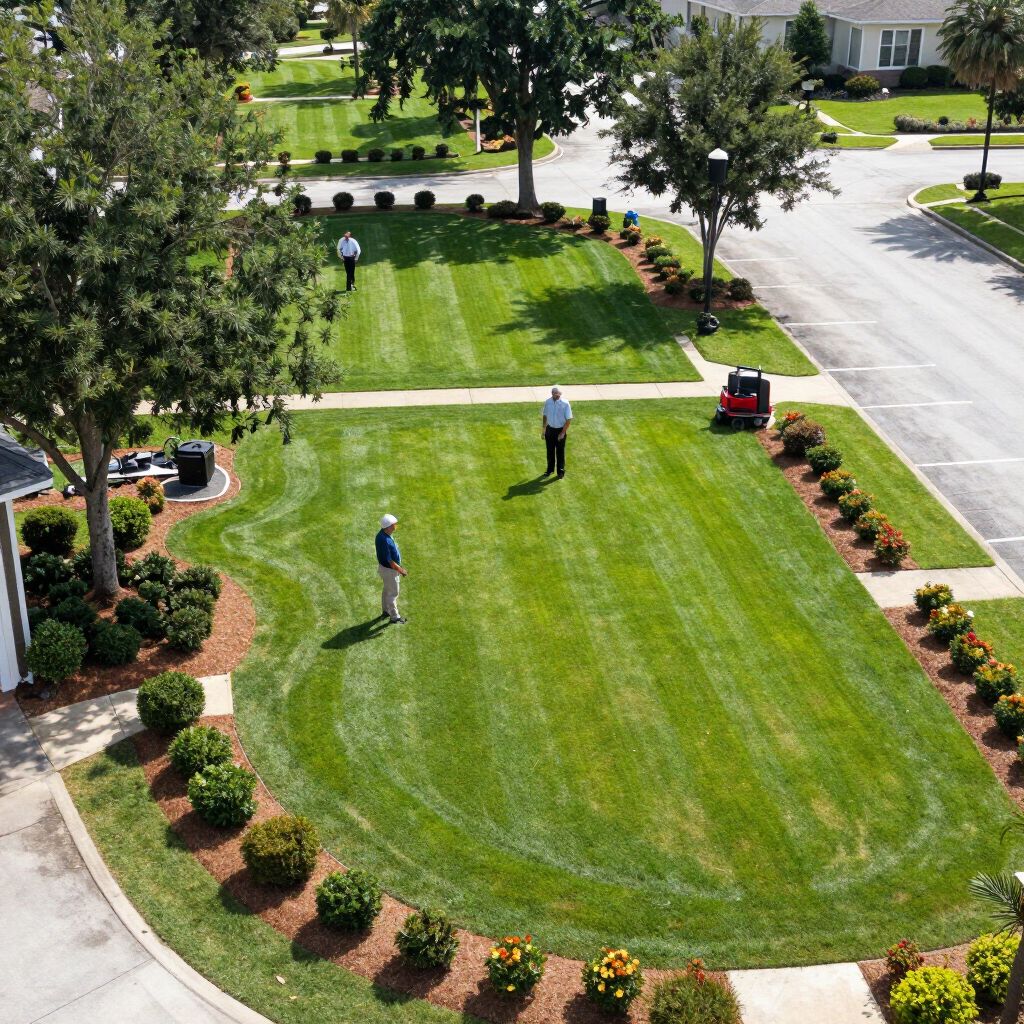
Property managers looking for commercial lawn care in Mobile, AL should expect more than someone showing up to mow the grass. A dependable maintenance partner should provide consistent scheduling, clean mowing and trimming, maintained landscape beds, appropriate pruning, seasonal cleanup, and clear communication about the property.


For commercial properties, appearance is part of the customer and tenant experience. An overgrown entrance, messy landscape beds, or inconsistent mowing can make an otherwise well-managed property look neglected. In Mobile's long growing season, reliable maintenance is especially important because landscapes can change quickly between visits.


What Should Commercial Lawn Care Include?


The exact scope depends on the property, but professional commercial lawn maintenance should address the areas that have the greatest impact on appearance and everyday usability.


For many Mobile properties, that means a combination of:


  • Routine lawn mowing
  • Edging around sidewalks, curbs, and other defined areas
  • Line trimming around obstacles and hard-to-reach areas
  • Pruning and trimming shrubs when needed
  • Weeding and mulching landscape beds
  • Seasonal cleanup
  • General attention to the appearance of maintained outdoor areas


The goal is consistency. Property managers should know what is being maintained and have reasonable expectations for how the grounds should look after each scheduled visit.


Internal linking opportunity: [Bush Pro Lawn Care]


Why Is Consistency So Important for Mobile Commercial Properties?


Mobile's warm climate gives property managers a longer landscape maintenance season than businesses in many colder parts of the country. Warm temperatures, humidity, and periods of substantial rainfall can contribute to rapid vegetation growth.


That means a commercial lawn can go from neat to noticeably overgrown faster than a property manager might expect.


Consistency helps prevent the familiar cycle of allowing a property to become overgrown and then trying to restore it with an aggressive cleanup. Regular attention generally creates a more professional appearance and makes maintenance easier to manage over time.


For customer-facing properties, consistency also matters because visitors don't know whether a landscaping problem is temporary. They simply see the condition of the property on the day they arrive.


1. Property Managers Should Expect Reliable Lawn Mowing


Mowing is the foundation of most commercial lawn maintenance programs, but good mowing involves more than cutting grass as quickly as possible.


Professional mowing should produce a clean, intentional appearance without leaving obvious patches of missed grass or unfinished areas around obstacles.


The appropriate mowing schedule will depend on factors such as:


  • Season
  • Recent rainfall
  • Grass growth
  • Property use
  • Appearance expectations
  • Size and layout of maintained turf


Property managers should discuss scheduling expectations before service begins rather than assuming every property requires exactly the same approach.


A highly visible commercial entrance may demand a different level of attention than a less visible portion of a large property.


2. Edging and Trimming Should Be Part of the Finished Look


One of the easiest ways to distinguish a maintained commercial property from one that has merely been mowed is to look at its edges.


Grass growing over sidewalks, curbs, or landscape borders can make the property appear unfinished even when the lawn itself has been cut.


Line trimming is equally important around areas a mower cannot reach easily.


Depending on the site, these may include:


  • Signage
  • Fences
  • Trees
  • Posts
  • Walkways
  • Landscape borders
  • Building edges


For property managers, these details matter because customers and tenants often interact with these areas at close range.


3. Shrubs and Hedges Need Routine Attention


Shrubs can have a major impact on a commercial property's appearance. When they become overgrown, they may obscure signs, crowd walkways, cover architectural details, or simply make the landscape look unmanaged.


Bush Pro Lawn Care lists pruning and trimming among its primary services, making this an important consideration when discussing a commercial property's maintenance needs.


Professional trimming should focus on keeping the landscape neat while considering the natural form and condition of the plants.


Property managers should also pay special attention to vegetation around:


  • Main entrances
  • Property signage
  • Pedestrian areas
  • Parking areas
  • Building fronts


These are often the places where overgrowth becomes most noticeable.


4. Landscape Beds Shouldn't Be Forgotten


A commercial lawn can be freshly mowed and still look poorly maintained if the landscape beds are filled with weeds.


Beds frequently frame entrances, signs, sidewalks, and building fronts. As a result, they can become some of the most visually important areas on a property.


Bush Pro Lawn Care provides weeding and mulching, which can help property managers maintain cleaner, more defined landscape beds.

Mulch can also improve the finished appearance of planting areas while helping cover exposed soil. The appropriate mulch and maintenance schedule will depend on the property's existing landscaping and desired appearance.


For property managers comparing lawn care companies, ask whether landscape beds are part of the proposed scope or handled separately. Knowing this in advance helps prevent gaps in expectations.


5. Seasonal Cleanup Should Be Planned Before the Property Looks Neglected


Commercial landscapes don't have the same maintenance needs every month.


Leaves, fallen branches, plant debris, and general buildup can affect a property's appearance at different times of the year. Mobile properties can also experience debris following periods of severe weather.


Bush Pro Lawn Care offers seasonal cleanup as one of its core services.


Instead of waiting until debris becomes highly visible, property managers can plan cleanup around the property's seasonal needs.


This is particularly useful for properties with mature trees, substantial landscape beds, or prominent customer-facing outdoor areas.


What Should Property Managers Look for in a Lawn Care Company?


Choosing a commercial lawn care provider should not be based solely on who can offer the lowest number on an estimate.


Property managers are responsible for maintaining properties over time. A service that is inexpensive but inconsistent can create additional management work rather than reducing it.


When evaluating a provider, consider these questions:

Question Why It Matters
What services are included? Prevents misunderstandings about the scope
How is service frequency determined? Helps establish realistic expectations
Who should I contact about the property? Simplifies communication
Is pruning available? Keeps shrubs from becoming a separate problem
Are weeding and mulching available? Helps maintain landscape beds
Is seasonal cleanup available? Prepares for changing property needs
Does the company handle commercial lawn maintenance? Confirms the service aligns with your property type

A clear conversation before work begins can prevent many common frustrations later.


Commercial Lawn Care Should Reduce a Property Manager's Workload


A good lawn maintenance relationship should make property management easier.


Property managers already have to think about tenants, vendors, repairs, inspections, budgets, and countless other details. They shouldn't have to repeatedly notice that the grass hasn't been cut or wonder whether landscape beds were included in a service visit.


Outsourcing routine maintenance can remove lawn work from the property's internal task list while giving the manager a consistent point of contact for the grounds.


That's especially valuable for managers responsible for multiple properties.


Instead of coordinating employees, equipment, and individual outdoor tasks, the property manager can establish the maintenance scope with a lawn care provider and focus on the larger needs of the property.


Which Commercial Properties Can Benefit From Professional Lawn Maintenance?


Any business property with maintained grass, shrubs, or landscape beds may benefit from professional service.


Common examples include:


  • Professional offices
  • Retail properties
  • Multi-tenant commercial buildings
  • Managed residential communities
  • Rental properties
  • Small business locations
  • Properties with landscaped entrances or signage


The maintenance plan should reflect the actual site rather than applying a generic checklist to every commercial property.


A small professional office with a prominent entrance may have very different priorities from a larger site with extensive turf.


What Are the Signs a Commercial Property Needs Better Lawn Maintenance?


Property managers don't necessarily need landscaping expertise to recognize when the current approach isn't working.


Common warning signs include:


  • Grass frequently becoming overgrown between visits
  • Untidy areas around curbs or sidewalks
  • Shrubs consistently growing beyond their intended spaces
  • Weeds dominating landscape beds
  • Mulch areas looking thin or neglected
  • Seasonal debris remaining on the property too long
  • The property's exterior looking inconsistent from week to week


Another important sign is the amount of time the property manager spends thinking about lawn maintenance.


If you constantly have to call, remind, inspect, or arrange corrective work, the service may not be reducing your workload as much as it should.


How Can Property Managers Prepare for a Commercial Lawn Care Quote?


Before contacting a lawn maintenance company, take a quick inventory of the property.


Identify which areas need routine attention and which services are priorities.


For example, you might note:


  • Approximate lawn areas
  • High-visibility entrances
  • Landscape beds
  • Shrubs and hedges
  • Sidewalk and curb areas
  • Seasonal debris concerns
  • Areas that have been difficult to maintain
  • Your desired level of appearance


Photos can also be useful when discussing a property, although an on-site evaluation may provide a clearer understanding of the work involved.

Most importantly, communicate what matters to you. If the entrance is your highest priority or certain landscape beds repeatedly become overgrown, mention those concerns.


Why Local Knowledge Matters for Commercial Lawn Care in Mobile, AL


Commercial landscaping in Mobile is influenced by the Gulf Coast climate.


According to NOAA climate information, Mobile experiences a humid subtropical climate with substantial annual rainfall. Those conditions can contribute to extended periods of active landscape growth and make consistent maintenance particularly important.


External resource: [NOAA National Centers for Environmental Information]


A local lawn maintenance provider works within these conditions regularly and can plan service around the realities of Mobile's growing season.


That local context is especially valuable for commercial properties where appearance standards need to remain consistent throughout much of the year.


FAQs About Commercial Lawn Care in Mobile, AL


How often should a commercial property be mowed in Mobile?


There isn't one schedule that fits every commercial property. Mowing frequency depends on season, rainfall, growth rate, site conditions, and the appearance standard expected by the property manager. During periods of rapid growth, a property may require more frequent attention than during slower-growing periods.


What commercial lawn services does Bush Pro Lawn Care offer?


Bush Pro Lawn Care's listed services include lawn maintenance, pruning and trimming, weeding and mulching, and seasonal cleanup. Property managers should contact the company directly to discuss the specific needs and scope of their commercial property.


Is commercial lawn care different from residential lawn maintenance?


The fundamental maintenance tasks may be similar, but commercial properties often place greater emphasis on scheduling, consistency, high-visibility areas, and coordination with property management. The appropriate service plan should reflect the property's size, use, landscape, and appearance requirements.


Should landscape beds be included in commercial lawn maintenance?


Landscape beds should at least be discussed when establishing the scope. A property may look unfinished if the lawn is maintained but beds remain full of weeds or deteriorated mulch. Bush Pro Lawn Care offers weeding and mulching for properties that need bed maintenance.


How do I find commercial lawn care near me in Mobile, AL?


Look for a local provider that offers the specific services your property requires and communicates clearly about the scope. If your Mobile property needs lawn maintenance, pruning and trimming, weeding and mulching, or seasonal cleanup, Bush Pro Lawn Care can discuss those needs with you.


Get Commercial Lawn Care for Your Mobile Property


Managing a commercial property is easier when exterior maintenance isn't another recurring problem on your list.


Bush Pro Lawn Care provides lawn maintenance and related services for properties in Mobile, Alabama. Available services include lawn maintenance, pruning and trimming, weeding and mulching, and seasonal cleanup.


If you're a property manager, business owner, or decision-maker looking for commercial lawn care in Mobile, AL, contact Bush Pro Lawn Care to discuss the needs of your property and request service information.

Phone:
(251) 318-8419
Email:
lonnie@bushprolawncare.com

Ready for a Better-Looking Lawn?

Have questions or need professional lawn care? Bush Pro Lawn Care is here to help.

Contact us today for a free quote.

Recent Posts

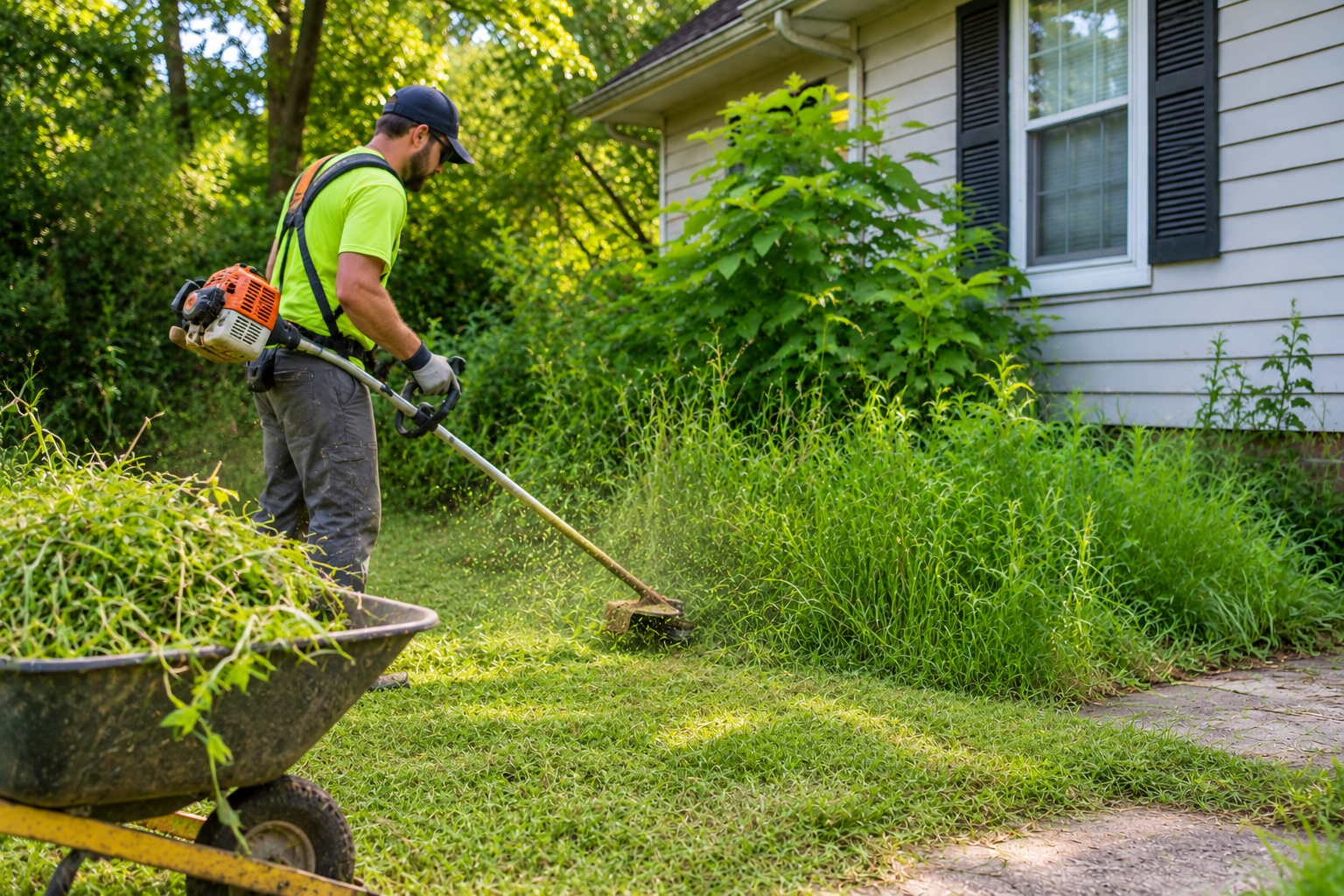
Worker trimming grass with a string trimmer in a suburban yard next to a house and wheelbarrow
November 16, 2026
Need overgrown yard cleanup in Mobile, AL? Learn when professional lawn maintenance can help restore a neglected property.
Man raking autumn leaves into a bag in a suburban yard beside a house
October 21, 2026
Prepare your Mobile, AL, property for winter with fall lawn cleanup, leaf removal, trimming, weeding, and landscape bed maintenance.
October 6, 2026
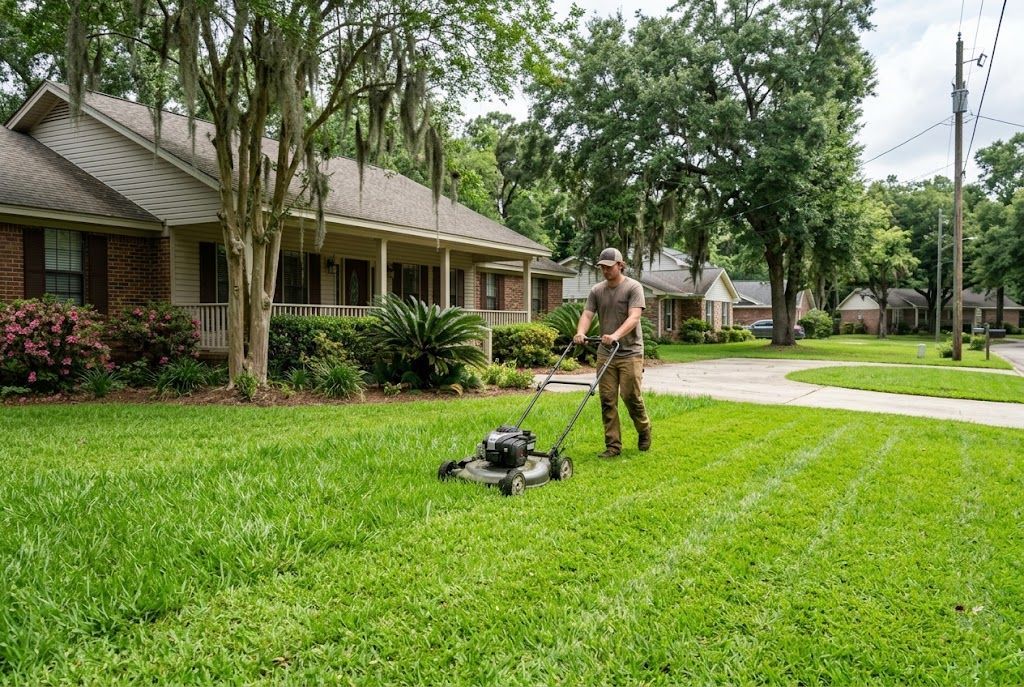
For many lawns in Mobile, AL, weekly mowing is a practical starting point during periods of active growth, while less frequent mowing may be appropriate when grass growth slows. The right schedule depends on rainfall, temperature, grass growth, property conditions, and the height of the lawn—not simply the calendar. Mobile’s warm, humid Gulf Coast climate can support a long growing season, which means homeowners often need more consistent mowing than they might expect. Instead of waiting until the lawn looks overgrown, establish a routine that keeps growth manageable while avoiding cutting too much grass at once. Why Mowing Frequency Matters Mowing is one of the most visible parts of lawn maintenance, but appearance is only part of the reason consistency matters. Waiting too long between cuts can leave a lawn looking uneven and make the next mowing more difficult. On the other hand, mowing unnecessarily when the grass has barely grown adds work without providing much benefit. A good mowing schedule helps you: Maintain a cleaner, more uniform appearance Avoid excessive grass removal in a single mowing Keep edges and borders looking maintained Prevent the yard from appearing neglected Make routine lawn maintenance more manageable Maintain consistent curb appeal For homeowners searching for “how often should I mow my lawn in Mobile, AL?”, the best answer is to follow the lawn’s growth while using a regular schedule as your baseline. Is Weekly Mowing Best in Mobile, AL? During periods of strong growth, weekly mowing is often a useful maintenance rhythm for Mobile lawns. Warm temperatures combined with frequent rainfall can produce noticeable growth between visits. A lawn that looked neat last weekend may already appear shaggy by the following weekend. Weekly mowing can be particularly useful when: Grass is actively growing Rainfall has been frequent The property receives plenty of sunlight Curb appeal is a priority The lawn is highly visible You want to avoid removing excessive growth at once However, “weekly” should not be treated as an inflexible rule. If conditions become dry or grass growth slows significantly, the lawn may not need mowing simply because seven days have passed. The goal should be consistent maintenance based on actual growth. What Is the One-Third Rule for Mowing? One of the most useful mowing guidelines is the one-third rule: avoid removing more than approximately one-third of the grass blade during a single mowing whenever practical. For example, if your desired lawn height is about 3 inches, you generally would not want to let the grass grow dramatically taller before cutting it back all at once. Why? Removing too much growth in one mowing can place unnecessary stress on the grass and leave behind excessive clippings. This is one reason routine mowing can be better than waiting until the yard becomes obviously overgrown. A predictable schedule keeps the amount removed during each cut more manageable. How Does Mobile’s Climate Affect Mowing Frequency? Mobile’s climate plays a major role in lawn growth. The region experiences warm temperatures, high humidity, and substantial rainfall. Those conditions can create a long period during which lawns and landscape vegetation require regular attention. NOAA climate resources document the warm, humid conditions characteristic of the Gulf Coast and provide historical climate information for Alabama. External resource: [ NOAA National Centers for Environmental Information ] For homeowners, the practical takeaway is simple: your mowing schedule needs to adapt throughout the year. You may mow frequently during one part of the season and much less often during another. How Often Should You Mow in Spring? Spring is when many Mobile lawns begin requiring more attention. As temperatures rise and growth becomes more active, homeowners should start watching the lawn rather than waiting for a specific calendar date. During periods of active spring growth, mowing may need to become more frequent. Spring is also a good time to evaluate the rest of the property. Look for: Overgrown lawn edges Weeds in landscape beds Shrubs that need trimming Debris left from cooler months Mulch that needs refreshing Areas that have become difficult to maintain A seasonal cleanup followed by consistent maintenance can help bring the entire yard back into shape. How Often Should You Mow During Summer? Summer mowing frequency depends heavily on rainfall and growth. Mobile summers can bring heat, humidity, and periods of frequent rain. When the lawn is actively growing, maintaining a regular mowing schedule helps prevent it from getting ahead of you. However, homeowners should avoid treating mowing like a rigid appointment that ignores lawn conditions. If grass growth has slowed during a dry period, mowing too frequently or too aggressively may be unnecessary. During summer, focus on: Actual grass height Recent rainfall Current growth rate Lawn appearance Weather conditions How much grass would be removed The faster the lawn is growing, the more important consistency becomes. Does Heavy Rain Mean You Should Mow More Often? Rain can accelerate grass growth, but that does not mean you should mow while the lawn is saturated. After periods of substantial rainfall, the grass may grow quickly enough that your normal mowing interval needs adjustment. At the same time, mowing very wet ground can create poor results and may disturb soft areas. After rain, consider both growth and ground conditions. A lawn may need mowing, but waiting until conditions are suitable can produce a cleaner result. This is another reason professional lawn maintenance can be useful. Instead of simply mowing on demand, an experienced local provider works around changing conditions while maintaining the property as consistently as practical. What Happens If You Wait Too Long Between Mowings? Missing an occasional mowing isn't necessarily a disaster, but repeatedly allowing a lawn to become overgrown creates several problems. The property looks neglected Tall, uneven grass can quickly reduce curb appeal. The next mowing becomes harder More growth means more material needs to be cut and managed. Edges become less defined Sidewalks, driveways, and borders can start looking untidy as the entire property gets ahead of its normal maintenance routine. You may be tempted to cut too much at once When grass becomes very tall, homeowners often want to immediately return it to their preferred height. A more gradual approach may be appropriate when substantial growth has accumulated. Consistent maintenance prevents many of these issues before they develop. Should You Mow Every Week or Every Two Weeks? The answer depends on growth, but Mobile homeowners should be cautious about assuming biweekly mowing will work throughout the entire growing season.  Consider the difference: